Money habits
How to stop living paycheck to paycheck
Money’s gone by Wednesday, again. Here’s why that cycle keeps repeating, and what actually breaks it.
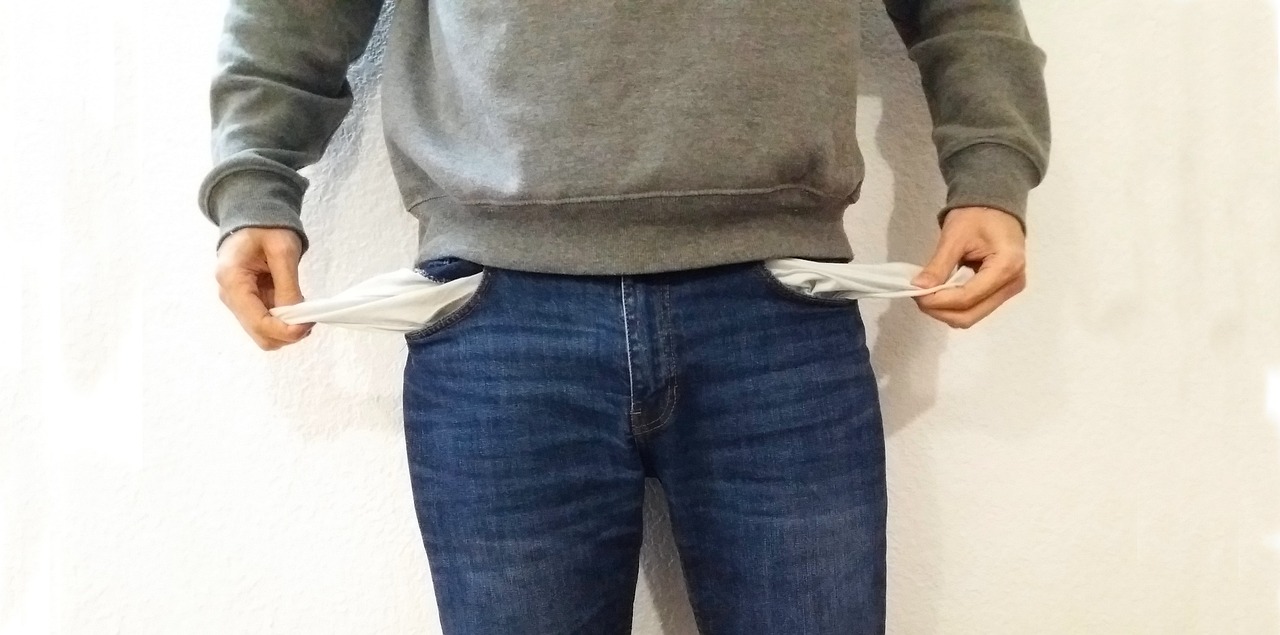
Photo: Pexels
 Written by Rosy King
You get paid, and for a day or two it feels good. Then the rent comes out, a few bills hit, groceries happen, and by midweek you’re checking your balance with that sinking feeling again. You’re earning a normal wage. You’re just always, somehow, behind it.
46% of young Australians have used Buy Now Pay Later, and 31% of those said they had bought something they really couldn’t afford, or struggled to pay off later.
Source: ASIC Young People and Money Survey, 2021
That’s the cycle in one sentence. Buy Now Pay Later feels like it’s helping, and sometimes it genuinely is, but it works by borrowing from a pay you haven’t had yet. Which is exactly the problem you’re already trying to solve.
Why does it feel like you’re always behind?
Because there’s no buffer. When every dollar that comes in is already spoken for by the time the next pay lands, you’re not managing money. You’re reacting to it.
One unexpected cost, a car repair, a vet bill, a friend’s birthday, and the whole thing tips over. It’s not that you’re bad with money. You’ve just never had a system that gives you room to breathe.
So what actually breaks the cycle?
Getting one pay cycle ahead. That’s it.
The moment you’re spending money you earned two weeks ago instead of money you haven’t been paid yet, the anxiety drops in a way that surprises most people. You stop living reactively and start living with a small buffer underneath you.
The way there isn’t a dramatic overhaul. It’s automatic transfers set up the day you get paid, before you’ve had a chance to spend it, moving a small amount into a separate account you don’t touch. Even $20 a pay builds into real breathing room over a few months.
Pair that with a short weekly money review, ten or fifteen minutes checking your accounts and your upcoming bills, so nothing sneaks up on you. That review is the single habit I’d keep if I could only keep one.
How long does it actually take?
Longer than the finance influencers make it sound, and that’s alright. For most people it’s a few months of consistent small transfers before that buffer feels real.
The goal isn’t to fix it in one pay cycle. It’s to build the habit that keeps it fixed once you get there.
Not sure where your own gaps are?
Before you spend anything, you’re welcome to do the Money Health Check. It’s ten questions about how your money actually works right now, it takes about three minutes, and at the end you’ll get a score out of 100 plus the one thing worth doing first. If it turns out you’re already sorted, I’ll tell you that.
Do my Money Health Check Free, and no card needed.How do you know it’s working?
- You’re not checking your account with dread, just to see where you stand
- A $100 surprise doesn’t wreck your whole week
- You know your bill dates without having to guess
- There’s a small amount building in a separate account, untouched
If you’re not there yet, you’re not behind. You just haven’t had the system in place. That’s exactly what we build together in the course, so the buffer sticks instead of disappearing the moment life gets busy again.
Want a full system, not just an article?
Your Money Sorted – From Surviving to Thriving is a 5-week live course that turns this into a plan you actually stick to. $197, limited places, and a new cohort starts each month.
Lock in my spotA few common questions
Ready to sort your money?
Limited places. Take the first step toward a calmer, clearer financial future.
Keep reading