Safety net
How to build an emergency fund in Australia
Car rego, a dentist bill, a job that ends without warning. Here’s how to build a real buffer, starting from wherever you are now.
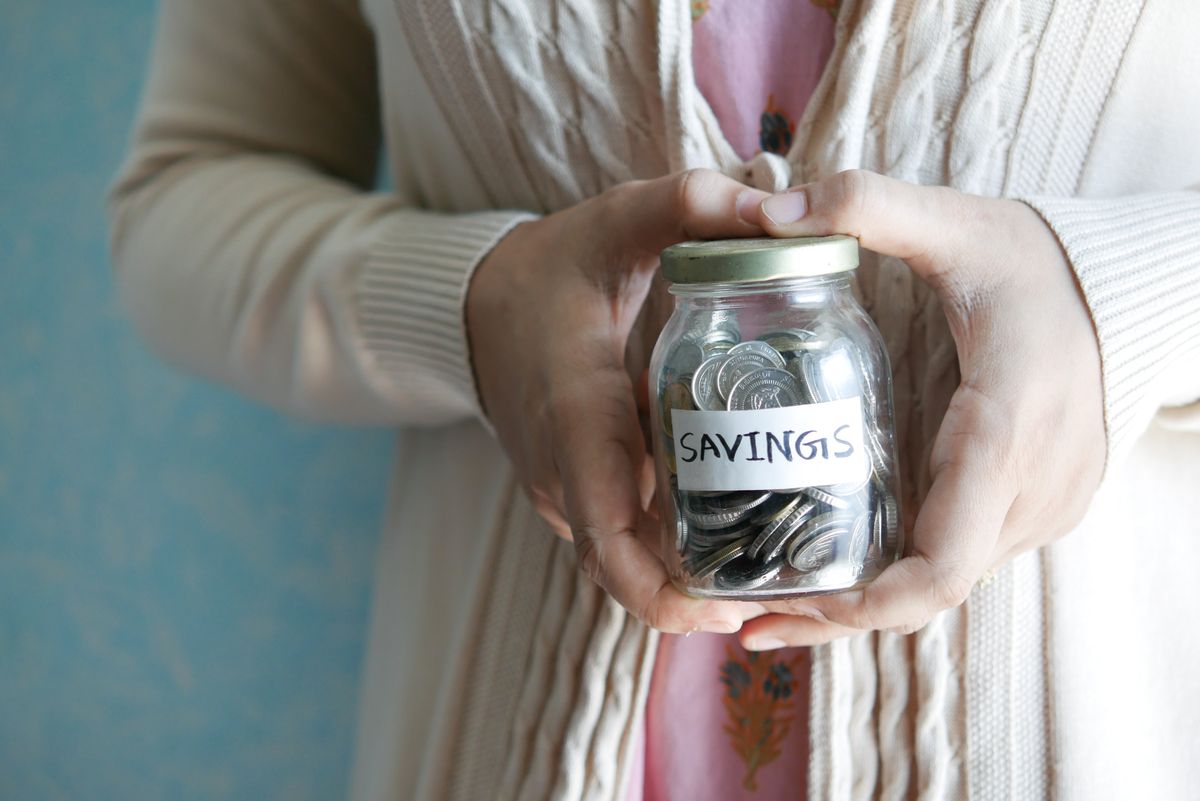
Photo: Pexels
 Written by Rosy King
Something always comes up. The car needs new tyres, a tooth needs fixing, your hours get cut for a month. None of it is really unexpected, it’s just unpredictable timing.
One in eight young Australians (12%) said they had nothing at all to fall back on if they hit a large unexpected expense.
Source: ASIC Young People and Money Survey, 2021
An emergency fund is what stops those moments from turning into debt. And if you’re one of that eight, this is the single most useful thing you can fix, because everything else gets easier once there’s something behind you.
What actually counts as an emergency fund?
Money that’s separate from your everyday spending and separate from your other savings goals, sitting there specifically for genuine, can’t-avoid-it costs.
Not a holiday. Not a new phone, however much it might feel like an emergency at the time. Here’s the simplest test I know. If you can see it coming and plan for it, it’s a budget item, not an emergency.
How much do you actually need?
The textbook answer is three to six months of expenses, and it’s a good long-term target. However, if you’re starting from zero, that number can feel so far away it stops you starting at all.
A more realistic first goal is $1,000 to $2,000, enough to cover most one-off surprises without reaching for a credit card. Once that’s in place, you keep building toward the bigger buffer at a pace that suits your income.
Where should you keep it?
In a separate high-interest savings account. Not your everyday account, and not invested anywhere.
The whole point of this money is that it’s boring and accessible. If it’s mixed in with your spending money, it gets spent. If it’s tied up in shares or super, you can’t get to it when the car actually breaks down.
How do you build it without feeling deprived?
Automatic transfers, set up the day you get paid, are what make this stick. Even $20 to $30 a pay, moved before you see it in your everyday account, builds faster than most people expect.
On top of that, use windfalls when they show up. A tax return, a bonus, a birthday gift. Send a chunk straight into the fund instead of letting it blend into everyday spending. Deciding what happens to that money before it lands is much easier than deciding after.
Not sure where your own gaps are?
Before you spend anything, you’re welcome to do the Money Health Check. It’s ten questions about how your money actually works right now, it takes about three minutes, and at the end you’ll get a score out of 100 plus the one thing worth doing first. If it turns out you’re already sorted, I’ll tell you that.
Do my Money Health Check Free, and no card needed.What can you set up this week?
- Open a separate high-interest savings account if you don’t already have one
- Set an automatic transfer for the day you get paid, even a small amount
- Pick your first target, $1,000 to $2,000 is a solid starting point
- Decide now that your next tax return or bonus tops it up, before it lands
Building this buffer is one of the five things we work through together in the course, alongside spotting debt traps and scams before they catch you. It sits inside the rest of your money system, so it isn’t the only thing holding everything up.
Want a full system, not just an article?
Your Money Sorted – From Surviving to Thriving is a 5-week live course that turns this into a plan you actually stick to. $197, limited places, and a new cohort starts each month.
Lock in my spotA few common questions
Ready to sort your money?
Limited places. Take the first step toward a calmer, clearer financial future.
Keep reading